Gadkari Flags High Costs of Tunnelling Machines, Calls for Finding Ways to Reduce Capital Investments
As India expands its tunnel infrastructure, Union Minister Nitin Gadkari has underscored the need to cut costs to ensure financial viability. He said that while advanced tunnelling technology is essential, affordability remains a major challenge. The Minister proposed two pathways to reduce expenses—developing cost-effective indigenous machines and refurbishing used equipment imported from abroad. He also noted that several companies are now willing to sell or rent out their tunnelling machines, a move that could further bring down project costs.
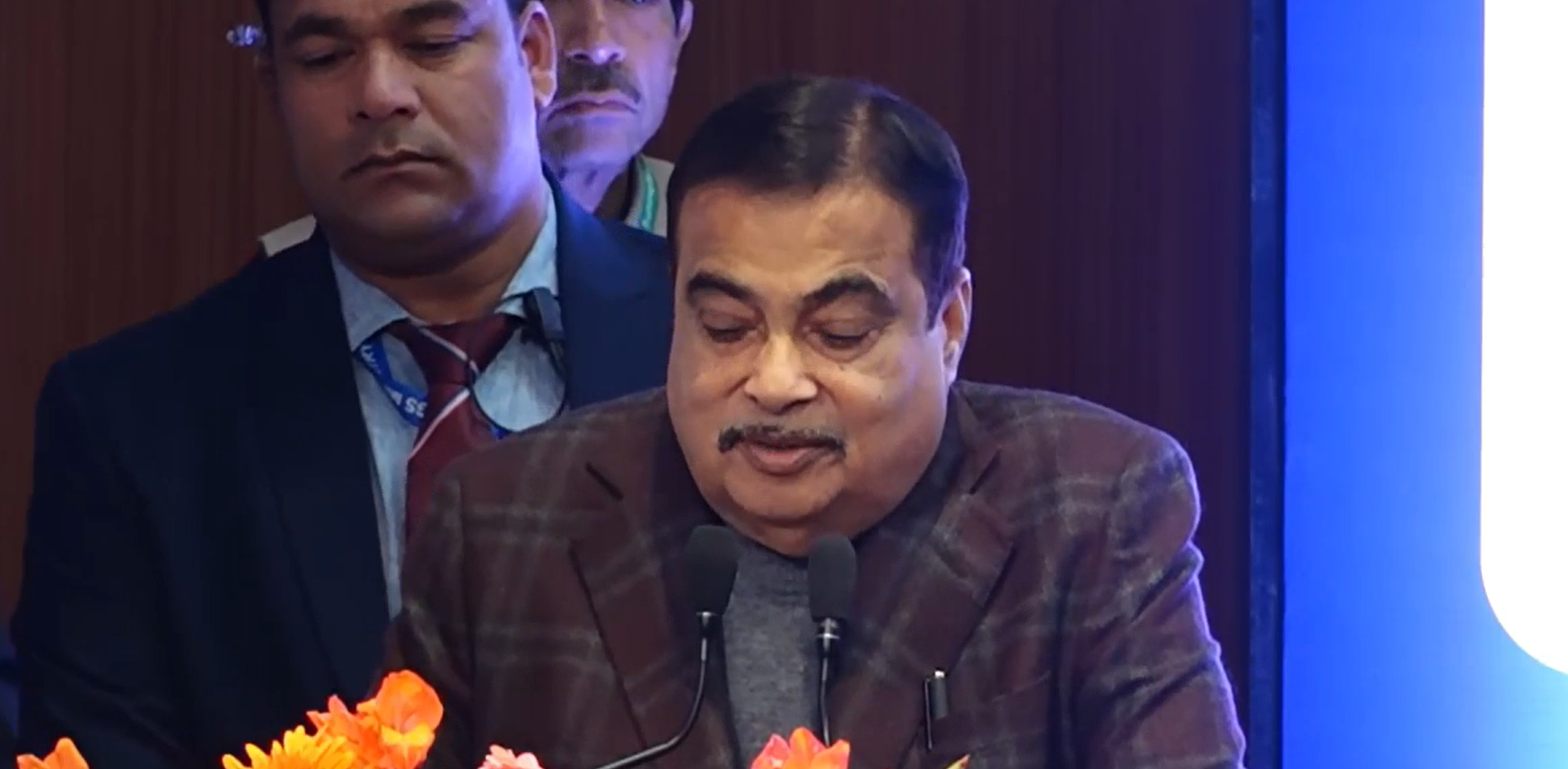
New Delhi, 04 Dec 2025 (TRT Staff); Union Minister for Road Transport and Highways Nitin Gadkari on Thursday said the Government of India is actively examining the possibility of constructing a significant number of tunnels across national highways, roads, and urban centres, particularly in high-congestion cities such as Delhi and Bengaluru. He was speaking at the Tunnel Association of India’s conference on the occasion of World Tunnel Day. Gadkari noted that while tunnelling technology is important, the economic feasibility of such projects remains a key consideration.
According to the Minister, the high cost of tunnel construction is partly driven by the substantial capital investment required for tunnelling machines. Lowering the cost of these machines, he said, would be essential to making tunnel projects financially sustainable. Citing Spain as an example, he pointed to the country’s extensive tunnel networks and multi-level underground parking systems as models demonstrating how innovative planning can improve viability. He added that there are many companies who haul their tunneling machines are willing to sell them or give them on rental basis, helping reduce project expenses.
Gadkari highlighted the importance of strengthening domestic manufacturing capabilities, saying India needs technologically advanced companies capable of producing tunnelling equipment at competitive prices. He outlined two potential approaches: developing indigenous machines at lower cost and importing used machines from abroad to be refurbished using components manufactured locally. Such measures, he said, would support the government’s broader infrastructure goals and the vision of making India the world’s third-largest economy.
The Minister said the Ministry of Road Transport and Highways is currently overseeing tunnel projects worth more than ₹2 lakh crore, with plans for further expansion, particularly in urban regions. He urged industry stakeholders to focus on making tunnelling machines more affordable and pointed out that only one manufacturer currently operates in Chennai. Without reducing capital expenditure, he said, projects may struggle to meet financial feasibility standards.
Gadkari also underscored the need for diverse technological solutions to address India’s varied geological conditions. He said that while many projects are ready and supported by adequate government funding, cost remains the major challenge. The government can provide up to 40 percent viability support, he noted, but projects must remain sustainable without compromising quality. Multiple sectors—including Railways, Metro systems, hydroelectric projects, NHIDCL, NHAI, and state governments—currently have substantial tunnelling proposals under consideration.
The Minister expressed confidence that lowering tunnelling machine costs would help reduce overall project expenditure. He cited ongoing works by NHIDCL in Jammu & Kashmir, Himachal Pradesh, Uttarakhand, and Arunachal Pradesh, noting that the perception of tunnelling as prohibitively expensive has changed and that in many areas, tunnels have become necessary.
He also pointed to improved forest and environmental clearance processes and mentioned plans for tunnels in sensitive areas such as the Mysuru–Kerala corridor. Additionally, he said the Ministry is exploring collaborative initiatives with Indian Railways to optimise costs, supported by integrated planning through the PM Gati Shakti platform.
Gadkari concluded by emphasising the importance of long-term planning, stating that India must prepare for future infrastructure needs with a clear and forward-looking approach.
________________________________________________________________________________________________